




Understanding Qoghundos and Their Popularity
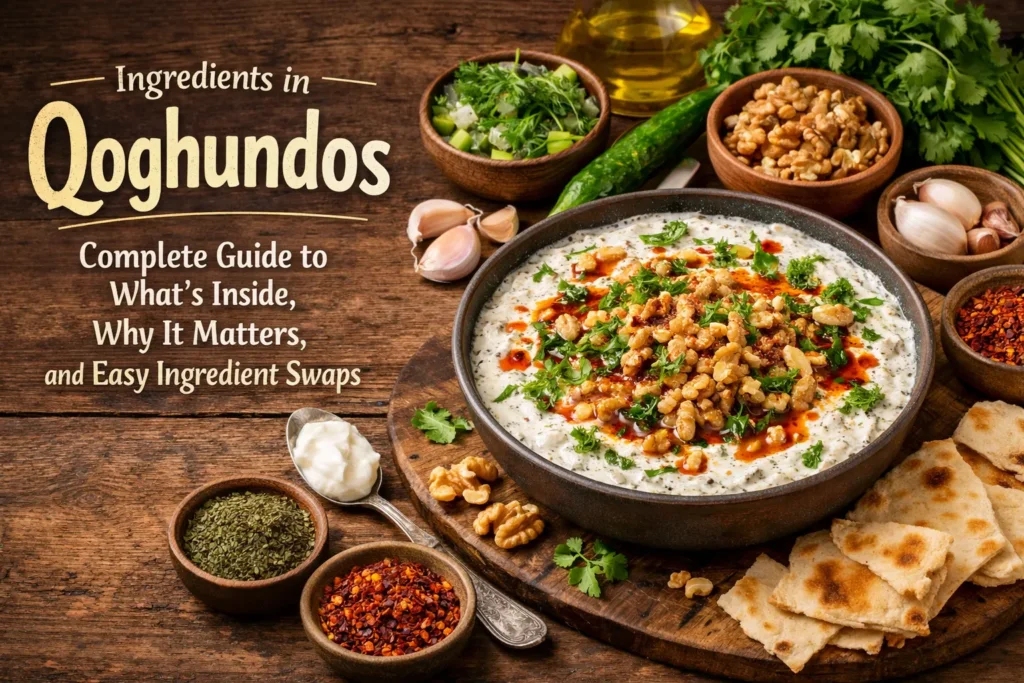
Qoghundos, often referred to as a delightful fusion of flavors, have increasingly gained traction in culinary circles across the globe. Originating from traditional recipes that integrate regional ingredients, qoghundos serve as a testament to the rich tapestry of cultural exchange and innovation in food preparation. These dishes typically combine various elements ranging from spices to vegetables, all encapsulated in a harmonious blend that appeals to many palates.
The rise in popularity of qoghundos can be attributed to a growing interest in global cuisines and the increasing awareness of diverse dietary needs. As individuals explore healthier and more varied food options, the question often arises: are the ingredients in qoghundos good for you? To answer this, one must consider the nutritional profile of qoghundos, which often incorporates whole foods, fresh produce, and lean proteins.
From their humble beginnings, qoghundos have transitioned into gourmet offerings featured in upscale restaurants while maintaining their roots in home cooking. This duality showcases not only their versatility but also their cultural significance, as they bridge the gap between traditional and contemporary culinary practices. Across different regions, qoghundos are typically embraced for their flavor complexity and the potential health benefits derived from their constituent ingredients.
In various culinary contexts, qoghundos stand out due to their adaptability. Chefs often customize these dishes to fit local tastes, which helps explain their growing acclaim. This versatility further contributes to the ongoing popularity of qoghundos, as more individuals seek out innovative culinary experiences that celebrate global gastronomy. As awareness of the ingredients used in qoghundos continues to expand, an informed understanding of their health implications becomes vital for consumers.
Analyzing the Nutrition and Composition of Qoghundos
Qoghundos, a traditional dish with a variety of regional adaptations, comprises several key ingredients, each contributing distinct nutritional benefits. To determine whether the ingredients in qoghundos are good for you, it is essential to explore their composition in detail. Typically, qoghundos includes grains, vegetables, and proteins, which together create a balanced meal.
The primary ingredient, often a grain like rice or bulgur, serves as the main carbohydrate source, providing energy essential for daily activities. Whole grains enhance this dish by adding dietary fiber, which plays a vital role in digestive health and can help in maintaining a healthy weight.
Vegetables often incorporated into qoghundos, such as carrots, bell peppers, and peas, are rich in vitamins and minerals. For instance, carrots are an excellent source of Vitamin A, which supports vision and immune function, while bell peppers provide Vitamin C, known for its role in collagen formation and antioxidant protection. These nutrients collectively enhance the overall health profile of the dish.
Additionally, many recipes include a source of protein, such as beans, lentils, or meat. Proteins are crucial for building and repairing tissues as well as facilitating numerous bodily functions. For vegetarians, the inclusion of legumes ensures a complete amino acid profile, making the dish nutritionally robust.
Furthermore, spices and herbs commonly found in qoghundos not only elevate flavor but also contribute health benefits. For instance, turmeric, often used in such dishes, has anti-inflammatory properties and promotes overall wellness. This variety of ingredients in qoghundos raises an important question: are the ingredients in qoghundos good for you? With their rich nutritional values, most components foster a balanced diet, supporting multiple aspects of health.
In examining the nutritional aspects of qoghundos and its ingredients, it becomes evident that when prepared mindfully, this dish can be a wholesome addition to one’s diet.
Health Benefits Associated with Qoghundos
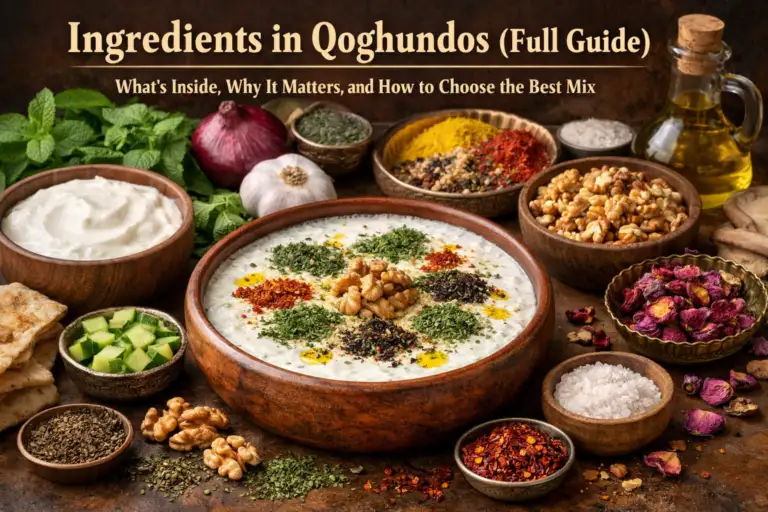
The increasing popularity of qoghundos has led to significant interest in understanding the health benefits associated with its consumption. Qoghundos are often touted for their unique blend of ingredients, which can provide a variety of nutritional advantages. One prominent ingredient in qoghundos is the base made from nuts and seeds, which are rich in essential fatty acids and proteins. These nutrients are known to support cardiovascular health and can help in maintaining a balanced diet.
Another beneficial component typically found in qoghundos is dried fruit. Fruits such as dates, figs, and apricots are commonly used, offering a wealth of vitamins, minerals, and antioxidants. The inclusion of these fruits contributes to improved digestive health and may assist in reducing the risk of chronic diseases due to their high fiber content. Research indicates that incorporating fiber-rich food into one’s diet can lead to enhanced gut health and better metabolic functions.
Additionally, spices such as cinnamon and turmeric are often added, which not only enhance the flavor but also provide potential health benefits. Cinnamon is known for its anti-inflammatory properties and has been linked to better glucose metabolism. On the other hand, turmeric contains curcumin, a compound celebrated for its antiseptic and anti-inflammatory benefits. By integrating these spices, the overall health impact of qoghundos can be notably positive.
In essence, the blend of these ingredients makes qoghundos a nutritious option for those looking to diversify their diet. The ingredients used in qoghundos point towards a wholesome food choice, reaffirming the notion that the ingredients in qoghundos are, indeed, good for you when consumed as part of a balanced diet.
Potential Allergens and Considerations for Consumption
When evaluating whether the ingredients in qoghundos are good for you, it is essential to consider potential allergens and the individual health conditions that may affect consumption. Qoghundos may contain various components such as nuts, dairy, or gluten, which are common allergens. For individuals with allergies to these ingredients, consuming qoghundos could provoke adverse reactions, ranging from mild symptoms like hives to severe complications such as anaphylaxis. It is advisable for such individuals to carefully read ingredient labels and, when in doubt, seek alternatives that are allergen-free.
Moreover, certain groups of people, including infants, pregnant women, and the elderly, may require extra caution when consuming qoghundos. The metabolic rates and nutritional needs of these demographics can vary significantly, potentially affecting how well they can tolerate certain ingredients. Pregnant women, in particular, should ensure that all components of qoghundos are safe for fetal development. While some ingredients in qoghundos may offer health benefits, like antioxidants from spices, they can also introduce risks depending on the individual’s health status.
Additionally, it is worth recognizing that even for those without known allergies, the question of whether the ingredients in qoghundos are good can depend on the overall dietary context. Overconsumption of any food item may lead to nutritional imbalances, so moderation is key. Conducting personal research, while consulting healthcare professionals, may empower individuals to make informed decisions tailored to their dietary needs. Understanding the potential risks while appreciating the benefits provides a balanced perspective on the consumption of qoghundos and their ingredients.