



Introduction
Visual content keeps changing fast, and static images are no longer enough to hold attention. People now want movement, emotion, and stories packed into short visual formats. This is where photo-to-video technology steps in and reshapes how creators, marketers, and everyday users turn simple images into engaging videos. From social media clips to product visuals and storytelling formats, converting photos into videos has become one of the most useful trends in digital creation today.
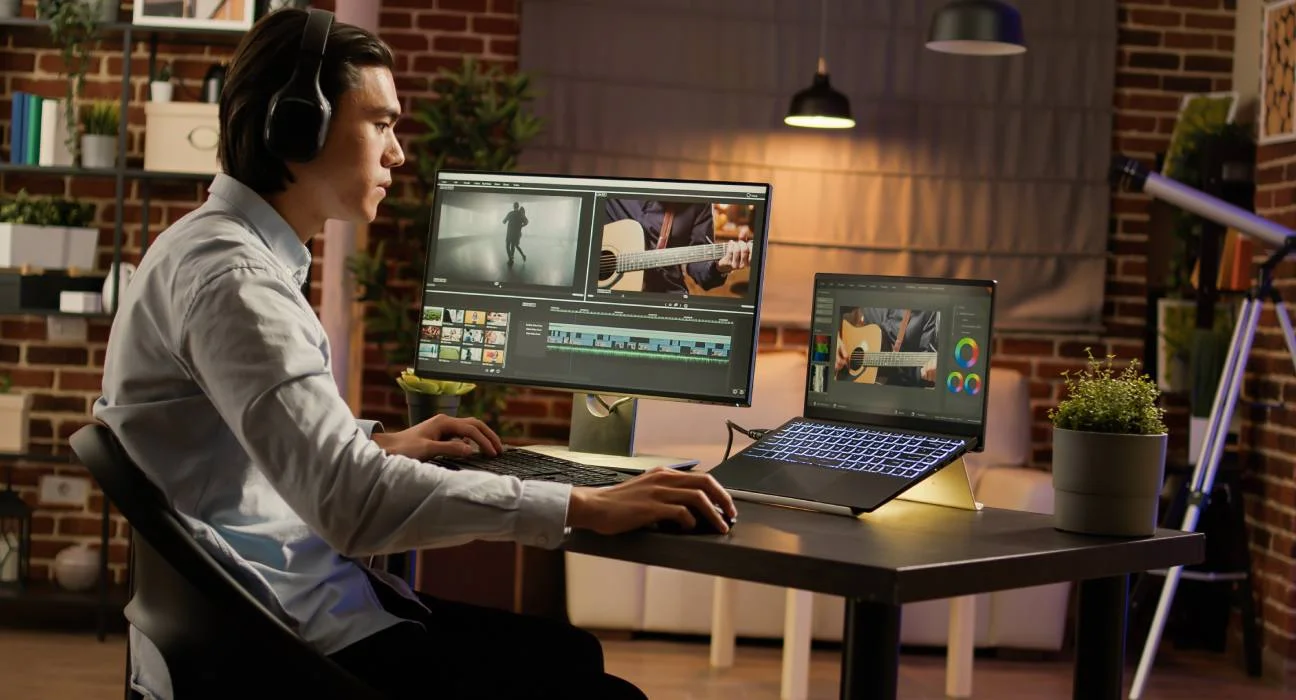
Instead of spending hours editing clips manually, modern tools now allow anyone to animate photos, add transitions, background music, and even motion effects in just a few steps. This shift is not only saving time but also opening creative doors for people who have never edited a video before.
What Does Photo to Video Really Mean?
Photo to video is the process of turning still images into moving visuals by adding effects, motion, text, and sound. Rather than showing a single image, the viewer experiences a short story that feels alive and dynamic. This approach works well for social posts, ads, presentations, and even personal memories.
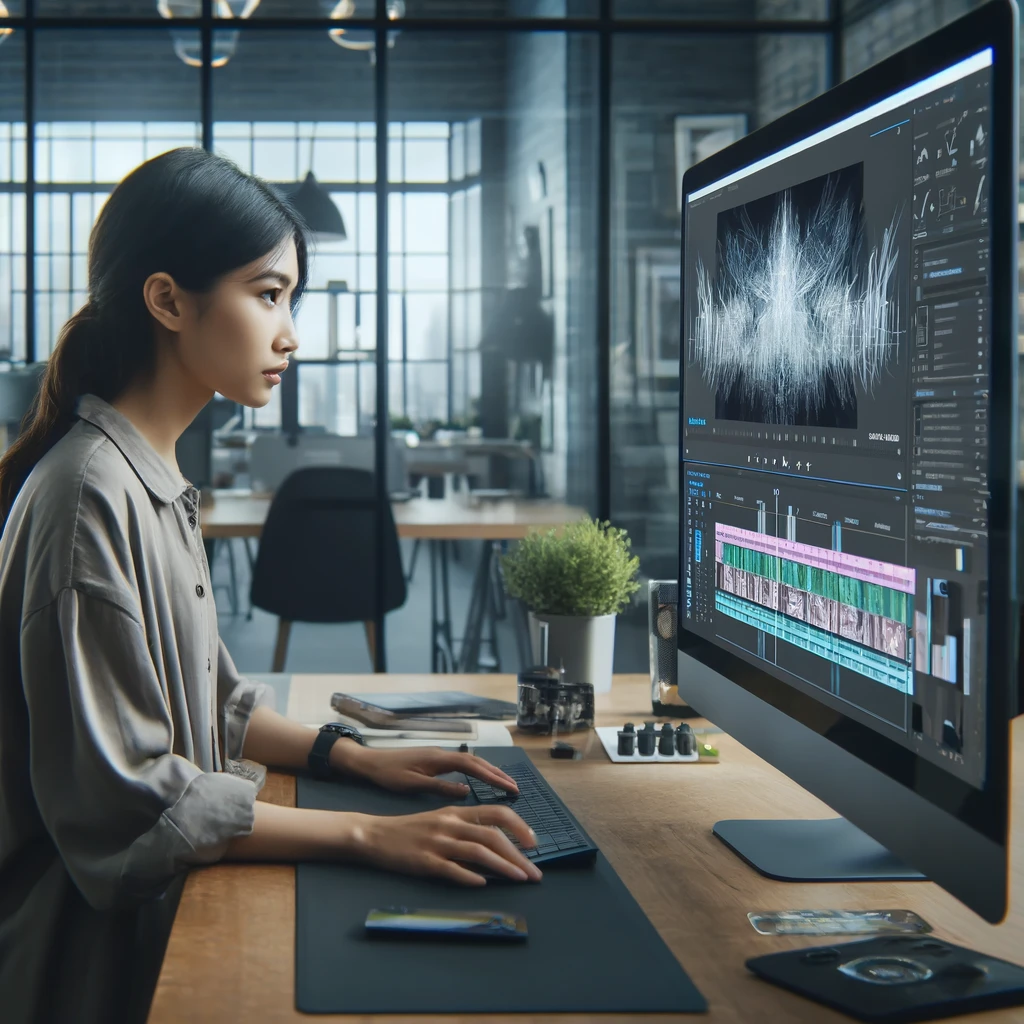
Today, photo to video creation has become much easier with platforms like invideo, where images can be uploaded and transformed into polished videos using ready-made styles and smart automation. You do not need advanced editing skills, and the results still look clean and professional.
Why Photo-Based Videos Are Gaining So Much Popularity
People scroll fast, and videos stop thumbs better than images. Photo-based videos blend the clarity of images with the impact of motion, making them perfect for quick attention spans. They are also easier to create compared to full video shoots.
Another reason for their rise is flexibility. You can reuse old photos, stock images, or even product shots and turn them into fresh content. This makes photo-based videos useful for creators who want consistency without constant filming.
The Role of AI in Photo to Video Creation
AI has simplified video creation more than ever. Smart systems now understand image order, suggest transitions, match music with visuals, and apply motion effects automatically. This means users spend less time adjusting timelines and more time focusing on ideas.
Many ai video apps now include features like auto scene creation, smart cropping, and template-based designs. These tools help users go from image to video in minutes while keeping the final output smooth and visually balanced.
Top Ways Photo to Video Tools Are Used Today
1. Social Media Content Creation
Short videos dominate social platforms, and photo-based videos fit perfectly into this space. Creators can turn image collections into reels, stories, or shorts without filming new footage. This helps maintain posting consistency while keeping visuals fresh.
2. Marketing and Product Promotion
Brands often rely on product images for ads. Photo-to-video tools allow those images to be animated with text overlays, transitions, and music. This results in more engaging promotional content that feels modern and scroll-friendly.
3. Storytelling and Personal Memories
From travel albums to family moments, turning photos into videos adds emotion and flow. Music and motion make memories feel more immersive, which is why photo-based slideshows remain popular for personal use.
4. Educational and Informational Content
Images combined with motion and text help explain ideas more clearly. Photo to video formats are often used for tutorials, guides, and explainers because they break information into easy-to-follow visuals.
5. Business Presentations and Visual Reports
Static slides can feel dull. Photo-based videos help turn charts, images, and key points into engaging presentations that hold attention longer and communicate ideas more clearly.
6. Lifestyle and Culture Content Trends
Many creators are now blending visual storytelling with lifestyle topics, turning image sets into short narrative videos that reflect emotions, habits, or social themes. Articles like creative lifestyle storytelling highlight how visuals combined with movement can shape modern digital culture and personal branding.
7. Wellness, Emotions, and Visual Expression
Photo to video content is also being used to express moods, feelings, and mental well-being themes. Visual motion paired with calm transitions and music can enhance emotional impact, similar to how emotional balance concepts are explained through relatable storytelling formats.
Key Features to Look for in a Photo to Video Tool
Easy Image Upload and Arrangement
A good tool should allow quick image uploads and simple reordering. Drag-and-drop layouts make the process smoother, especially for beginners.
Built-In Templates
Templates help users get started faster. They provide structure, pacing, and visual balance without manual effort.
Music and Sound Options
Background music plays a big role in storytelling. The ability to add and sync music easily makes photo-based videos more engaging.
Motion and Transition Effects
Subtle motion keeps videos from feeling flat. Smooth transitions between images improve flow and viewer experience.
Text and Caption Support
Text overlays help guide viewers and deliver messages clearly, especially for promotional or educational content.
How Image to Video Platforms Fit Into Modern Content Creation
Modern content creation is all about speed and adaptability. Photo to video platforms support this by allowing quick edits, easy updates, and fast publishing. Creators no longer need expensive software or technical expertise.
Platforms that focus on image-based video creation also help maintain visual consistency. This is important for brands, influencers, and educators who want a recognizable style across their content.
Who Benefits Most From Photo to Video Creation?
- Content creators who want regular posts without filming
- Small businesses looking for budget-friendly marketing
- Educators creating visual lessons
- Bloggers turning image posts into video formats
- Anyone wanting to bring photos to life
The simplicity and flexibility of photo-based video creation make it suitable for almost everyone.
The Future of Photo to Video Technology
As AI continues to improve, photo to video tools will become even more intuitive. We can expect smarter motion, better scene understanding, and more creative control without complexity.
The gap between professional editing and beginner tools is shrinking. This means high-quality visuals will no longer be limited to experts, and more people will tell their stories through video.
Conclusion
Photo to video creation has moved from being a niche feature to a core part of digital storytelling. By turning still images into dynamic visuals, creators can share ideas, emotions, and messages in a way that feels modern and engaging.
With the rise of smart tools and AI-driven features, creating videos from photos is no longer time-consuming or complicated. Whether for personal memories, business growth, or creative expression, photo-based videos are shaping the future of visual content in a simple and powerful way.